Overmolding

Seamlessly bond multiple materials into one precision-molded component.

What is Overmolding?

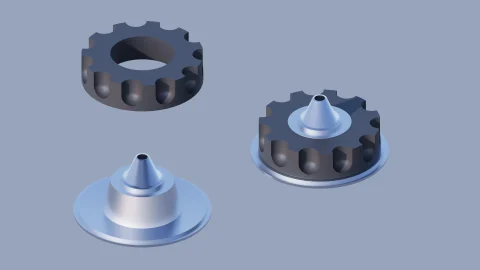
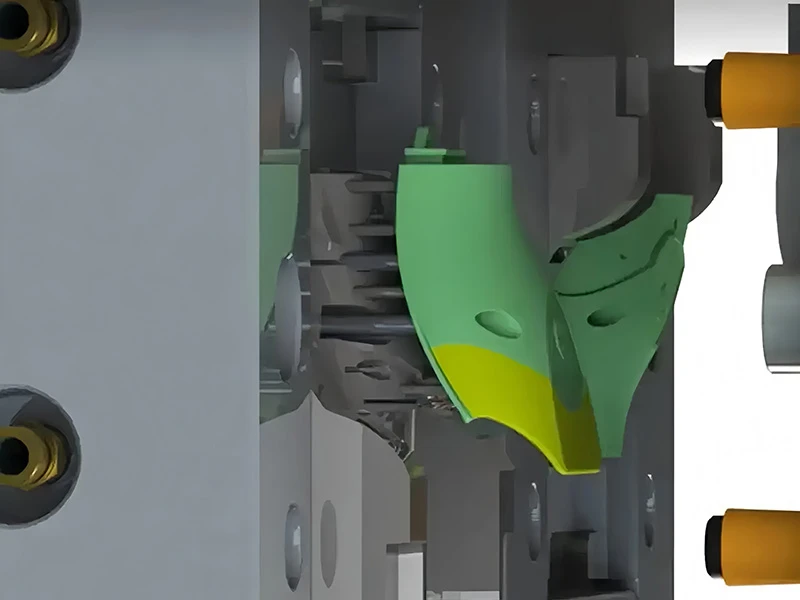
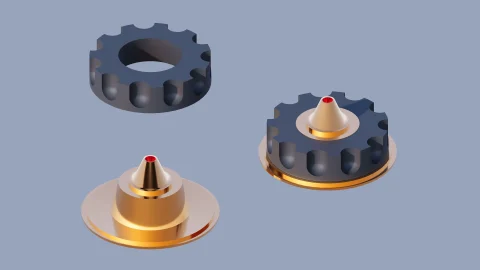
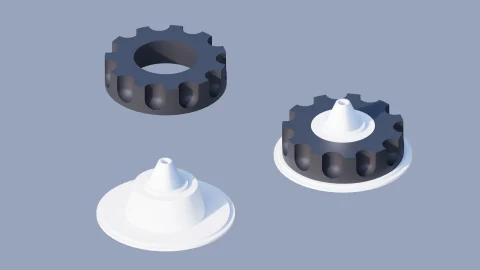
Overmolding is an advanced injection molding process that combines two or more materials into a single, unified part. It begins with molding a rigid substrate, typically plastic or metal, followed by a second injection of a softer or functional material directly over it—creating a durable mechanical or chemical bond.

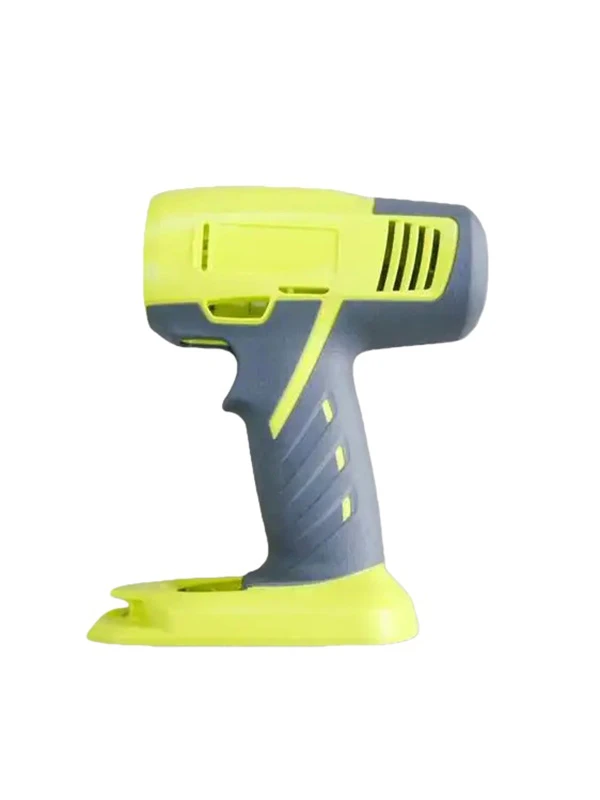
This method eliminates the need for adhesives or secondary assembly and allows for improved grip, insulation, vibration resistance, and visual appeal. It’s commonly used to add soft-touch surfaces, seals, or multi-color features, especially in tools, medical devices, and consumer electronics.

Topmetry delivers high-precision overmolding tailored to your product’s demands. With our expert team and modern equipment, we ensure strong material bonding, tight tolerances, and consistent quality—helping you streamline production while elevating both performance and design.
Overmolding Techniques

Choose the optimal material combination for enhanced performance and functionality.
Plastic Over Plastic
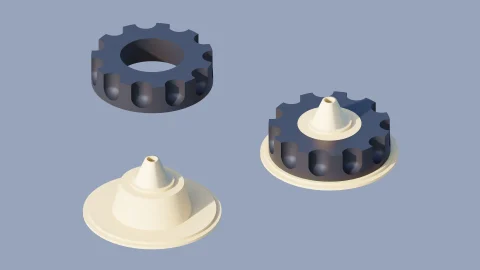
Create multi-layer plastic parts with superior bonding and durability. This process is ideal for structural reinforcement, insulation, or adding features like colored accents without secondary assembly.

> Excellent chemical and thermal
> resistance
> Consistent part geometry in high-volume production
> Ideal for dual-shot and multi-color components"
Rubber Over Plastic
Rubber Over Plastic
Soft-touch rubber overmolding enhances comfort, grip, and shock absorption. Commonly used in consumer products, tools, and medical devices, it improves ergonomics while maintaining strength.

> Adds soft, non-slip surfaces
> Enhances tactile feel and user experience
> Available in various durometers and colors"
Plastic Over Metal
Plastic Over Metal
Encapsulating metal substrates with plastic provides insulation, corrosion resistance, and lightweighting. It’s widely used for electrical housings, structural components, and mechanical parts.

> Combines metal strength with plastic versatility
> Reduces weight and streamlines production
> Enables embedded inserts and conductive shielding"
Rubber Over Metal
Rubber Over Metal
Used for parts requiring vibration dampening, impact resistance, or weather sealing, rubber over metal bonds elastomers to metal cores for rugged, long-lasting performance.

> Ideal for seals, mounts, and dampers
> Withstands harsh mechanical stress
> Eliminates the need for adhesives or fasteners"

Topmetry Overmolding Capabilities

Precision-driven overmolding for complex assemblies and high-performance products.
Capability Details
Maximum Part Size

200 × 400 × 100 mm (7.87 × 15.75 × 3.94 in.)

Minimum Part Size

20 × 20 × 20 mm (0.8 × 0.8 × 0.8 in.)

Substrate Wall Thickness

0.5 to 3 mm (0.02 to 0.12 in.)

Tolerance

± 0.025 mm (± 0.00098 in.)

Minimum Radii

0.1 mm (0.0039 in.)

Maximum Overmold Depth

100 mm (3.94 in.) from parting line

Mold Validation Options

T0, T1, T2 samples for dimensional verification and fine-tuning

Certifications Available

ISO 9001, ISO 13485, First Article Inspection

Lead Time

15–45 business days from tooling to sample delivery

FAQs

FAQs About Overmolding

What is overmolding used for?
Overmolding bonds two or more materials into a single part, often to add grip, cushioning, sealing, or aesthetic accents.
Common combinations include TPE over ABS, rubber over metal, and plastic over plastic. We help you choose materials for strong adhesion and performance.
Overmolding involves molding one material directly over another, while insert molding places a pre-made part into the mold before injecting material around it.
Yes — overmolding eliminates secondary assembly steps, reduces fastener use, and improves product durability.
Yes — we can provide small runs for testing before committing to full-scale production.

Launch Your Overmolding Project

Combine materials seamlessly for stronger, more functional parts. Upload your design now for a fast quote.